
Research architecture

Systems,in relation.

The Foundation investigates consequential systems and, especially, the relationships between them. Domains establish territory. Intersections reveal causation. Programmes begin only when accountable work exists.

SystemsIntersectionsQuestions
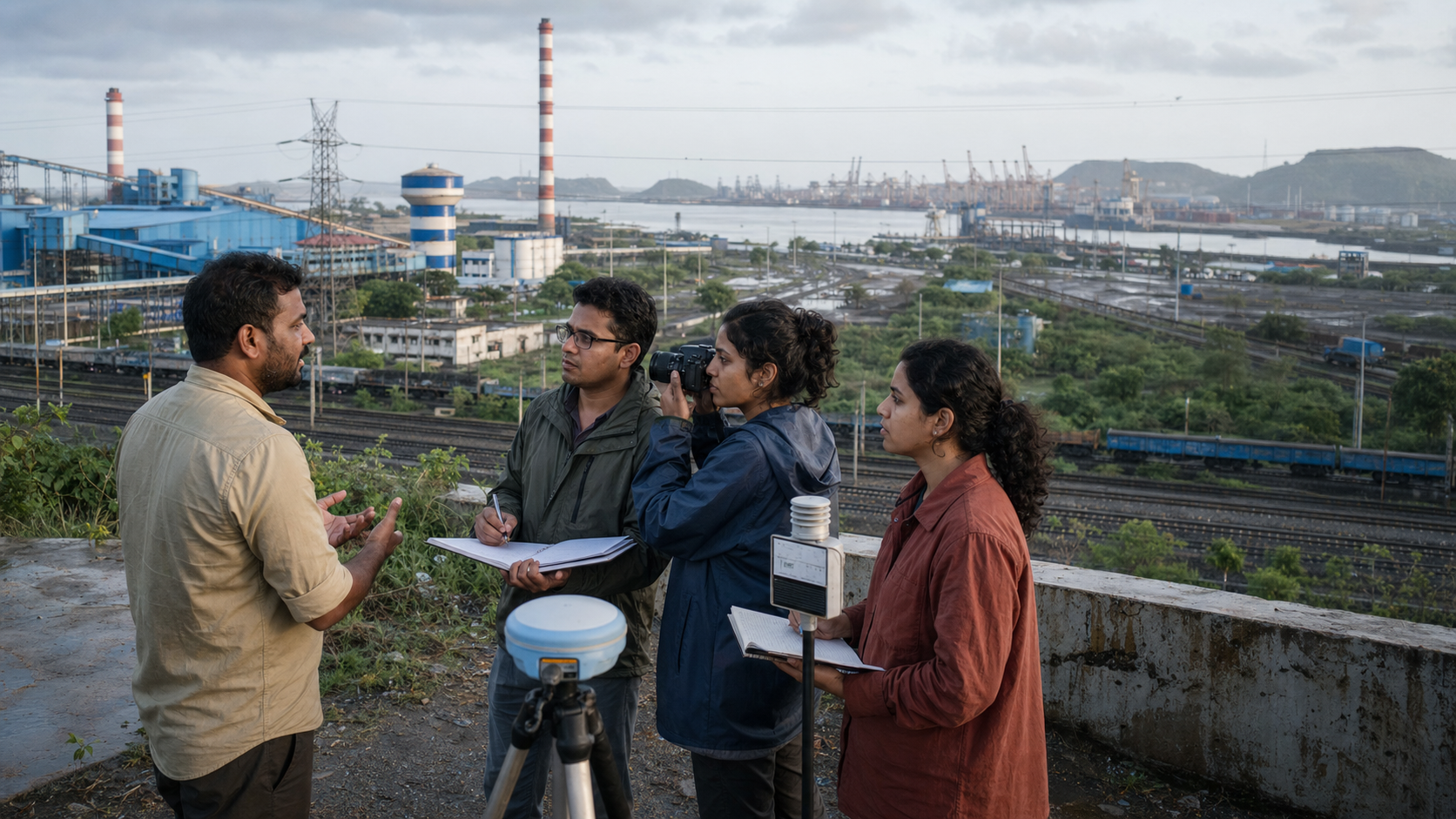
Researchers examining the intersection of infrastructure, industry, settlement and ecology
Research architecture / systems encountered in the field

THE INTELLECTUAL POSITION

Knowledge is organised vertically. Consequence travels horizontally.

Geopolitics cannot be understood apart from economics. Economics cannot be understood apart from technology, energy, infrastructure and institutions. Political behaviour cannot be understood apart from demography, culture, information and material conditions. The Foundation works where those explanatory boundaries fail.

SIX RESEARCH SYSTEMS

Large territories, precisely bounded.

These systems describe the Foundation's standing intellectual territory. They do not imply that every territory presently contains an active programme.

01

Strategic & geopolitical systems

Power, geography, resources, trade, conflict, alliances, supply chains and the changing international order.

  • Which dependencies make modern economies strategically vulnerable?
  • How do supply chains translate geopolitical events into institutional consequences?
02

Economics & industrial systems

Industries, production, capital, infrastructure, markets, industrial policy and economic transformation.

  • What determines whether industrial ecosystems compound capability?
  • How does infrastructure alter the economic geography of production?
03

Technology & intelligence

Artificial intelligence, computational systems, data infrastructure and their implications for institutions and society.

  • How will AI alter institutional decision-making?
  • What forms of intelligence infrastructure should remain public goods?
04

Governance & political systems

Institutions, state capacity, public policy, political behaviour, democratic systems and governance outcomes.

  • What determines whether institutions adapt to structural change?
  • How do implementation systems shape policy outcomes?
05

Society & civilisation

Demography, culture, history, human behaviour, social change and long-duration civilisational questions.

  • How will demographic transformations reshape states and economies?
  • Which institutions preserve knowledge across generations?
06

Future systems

Emerging risks, structural transitions, scenario analysis and questions whose consequences may unfold over decades.

  • What makes societies resilient to systemic shocks?
  • Which weak signals indicate durable structural change?
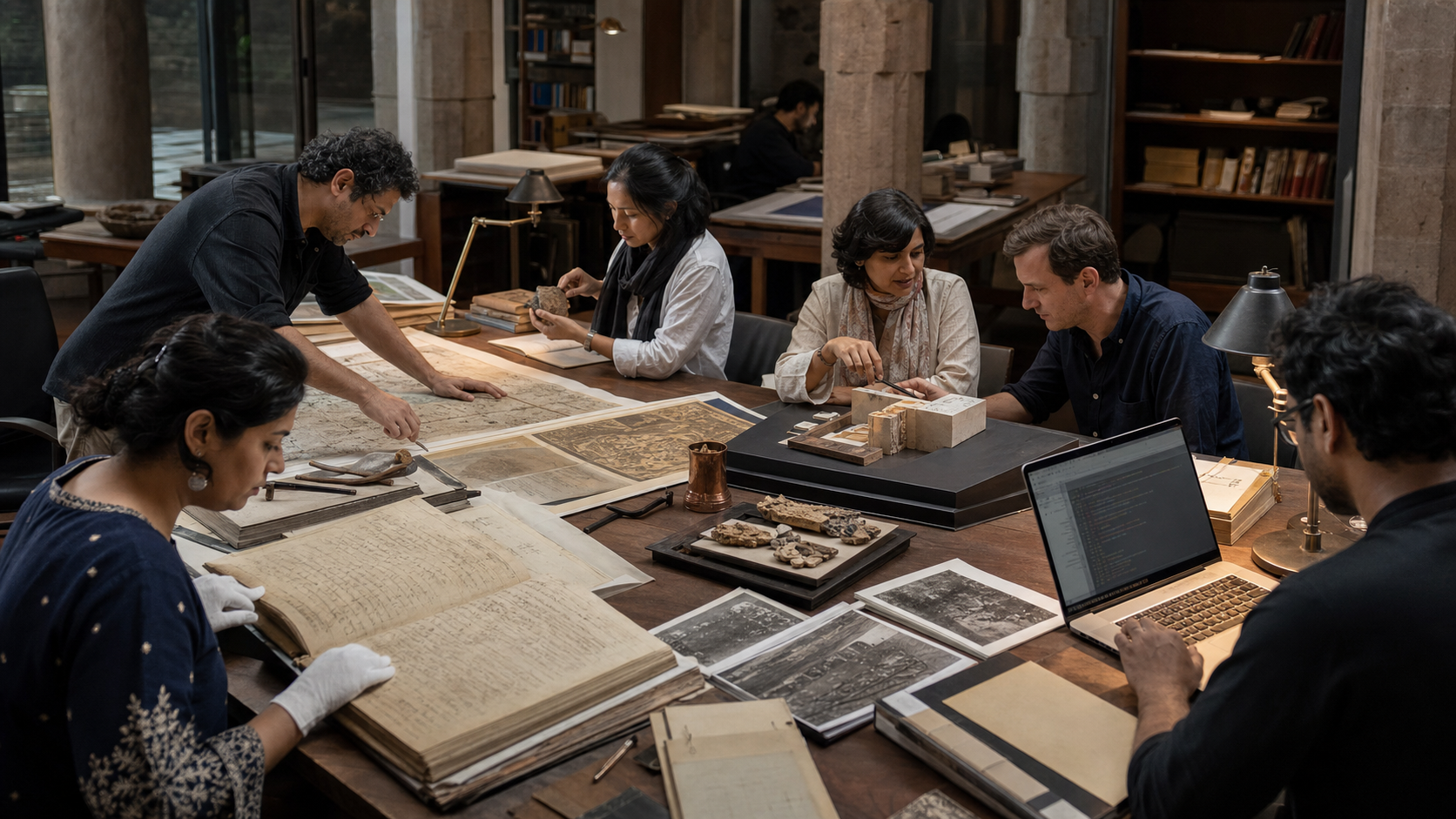
An interdisciplinary research group examining records, maps, models and technical evidence
Relational enquiry / disciplines held around one evidentiary table

THE DISTINCTIVE METHOD

Research the connection—not only the category.

The Foundation's intellectual signature is horizontal. It follows the transmission of consequence between systems until the apparently separate becomes one field of explanation.

01

Technology × Labour

How capability redistributes work, bargaining power and institutional responsibility.

02

Geopolitics × Supply chains

How strategic rivalry moves through minerals, firms, logistics and production systems.

03

Energy × Industrialisation

How physical infrastructure governs the geography and tempo of economic transformation.

04

Demography × Politics

How population structure alters representation, public finance, coalition and state capacity.

05

AI × Institutions

How computational systems change perception, judgement, administration and accountability.

06

Capital × Innovation

How finance selects which technical possibilities acquire durable institutional form.

QUESTIONS UNDER CONSIDERATION

Ambition without counterfeit certainty.

A governing question marks intellectual territory. It is not presented as a programme, project or completed finding until accountable work exists beneath it.

Q/01

How will AI alter institutional decision-making?

Q/02

Which dependencies make modern industrial economies strategically vulnerable?

Q/03

How do technological transitions redistribute economic and political power?

Q/04

What determines whether institutions adapt successfully to structural change?

Q/05

How will demographic transformations reshape states and economies?

Q/06

What makes societies resilient to systemic shocks?

Enter the research agenda

WHEN A PROGRAMME EXISTS

No empty departments.

The Foundation will describe a programme as active only when the minimum institutional conditions for serious work are already present.

01

A governing thesis

A programme must state what it seeks to understand and what would alter its account.

02

Accountable people

Named researchers or institutional leads must carry responsibility for the work.

03

Work in the field

Projects, evidence collection or technical construction must already be underway.

04

An evidence standard

Sources, transformations, uncertainty and review must be inspectable.

05

A publication pathway

The programme must be capable of leaving behind durable knowledge or infrastructure.

INSTITUTIONAL PATHWAYS

01

How we research

Sources, uncertainty, review, correction and intellectual independence.

02

Research agenda

The questions that may become studies, programmes, collaborations or instruments.

03

Independence & integrity

The boundary between funding, commercial relationships and research conclusions.